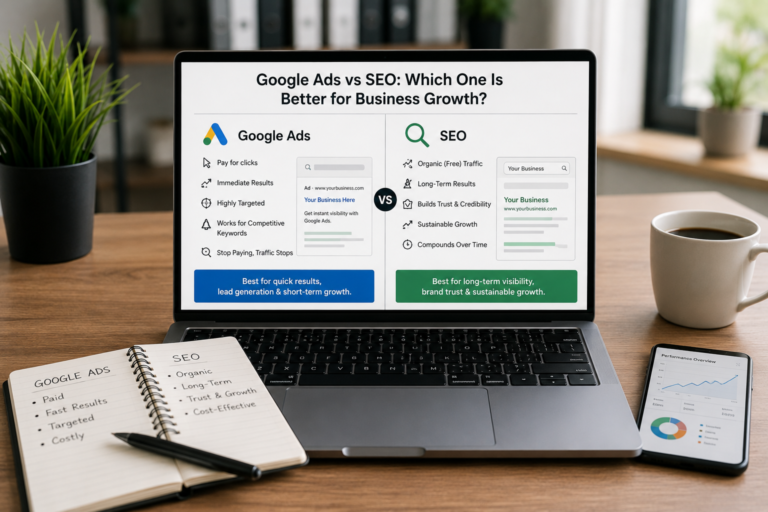



In today’s competitive digital landscape, businesses are constantly searching for effective ways to attract potential customers, build brand awareness, and generate qualified leads. While paid advertising can produce quick results, one strategy continues to deliver sustainable growth and long-term value: Content Marketing.
Content marketing is more than just publishing blog posts. It involves creating valuable, relevant, and consistent content that attracts, engages, and converts your target audience. When executed properly, content marketing becomes a powerful engine that drives organic traffic, establishes authority, nurtures customer relationships, and generates high-quality leads.
As search engines become more sophisticated and consumers become more selective about the content they consume, businesses must adopt smarter content marketing strategies to remain competitive. This guide explores the most effective content marketing strategies that can help businesses drive traffic and generate leads in 2026 and beyond.
What Is Content Marketing?
Content marketing is the process of creating and distributing valuable content to attract, engage, and retain a clearly defined audience.
Unlike traditional advertising, content marketing focuses on providing useful information rather than directly selling products or services.
Common content formats include:
- Blog posts
- Videos
- Infographics
- Case studies
- E-books
- Podcasts
- Email newsletters
- Social media content
- Webinars
- Guides and tutorials
The goal is to educate, inform, and solve problems while building trust with potential customers.
Why Content Marketing Matters in 2026
Consumer behavior has changed dramatically over the years. Today’s buyers conduct extensive research before making purchasing decisions.
They want:
- Helpful information
- Honest recommendations
- Educational resources
- Industry expertise
- Real solutions to their problems
Businesses that consistently provide valuable content position themselves as trusted authorities.
Benefits of Content Marketing
Effective content marketing helps businesses:
- Increase website traffic
- Improve search engine rankings
- Generate qualified leads
- Build brand awareness
- Establish authority
- Improve customer trust
- Increase conversions
- Support long-term business growth
These benefits make content marketing one of the most cost-effective digital marketing strategies available.
Strategy 1: Understand Your Target Audience
Every successful content marketing campaign begins with understanding the audience.
Create Buyer Personas
A buyer persona represents your ideal customer.
Consider factors such as:
- Age
- Gender
- Location
- Occupation
- Interests
- Challenges
- Goals
- Purchasing behavior
Understanding your audience helps create content that resonates with their needs.
Identify Customer Pain Points
Ask questions such as:
- What problems are they trying to solve?
- What information are they searching for?
- What challenges do they face daily?
Content that addresses these issues naturally attracts attention and engagement.
Strategy 2: Focus on SEO-Driven Content
Search Engine Optimization (SEO) and content marketing work together to drive organic traffic.
Conduct Keyword Research
Identify keywords your target audience searches for.
Examples include:
- Best digital marketing agency
- SEO services for small businesses
- Content marketing strategies
- Social media marketing tips
Use keyword research tools to discover:
- Search volume
- Competition level
- User intent
Target Long-Tail Keywords
Long-tail keywords often generate highly qualified traffic.
Examples:
- How to improve website traffic without ads
- Best content marketing strategies for local businesses
These keywords may have lower competition and higher conversion potential.
Optimize Content Properly
Include keywords naturally in:
- Headlines
- Subheadings
- Meta descriptions
- URLs
- Image alt text
Avoid keyword stuffing, which can negatively impact rankings.
Strategy 3: Publish High-Quality Blog Content
Blogging remains one of the most effective content marketing tactics.
Why Blogging Works
Regular blog publishing helps businesses:
- Rank for more keywords
- Answer customer questions
- Build authority
- Generate organic traffic
- Capture leads
Create Valuable Content
Focus on:
- Educational articles
- How-to guides
- Industry insights
- Expert opinions
- Case studies
Every blog should solve a specific problem or answer a common question.
Maintain Consistency
Publishing consistently signals relevance to both users and search engines.
A regular content schedule can significantly improve long-term results.
Strategy 4: Create Evergreen Content
Evergreen content remains relevant and valuable for extended periods.
Examples of Evergreen Content
- Beginner guides
- Tutorials
- FAQs
- Industry fundamentals
- Best practices
Unlike trend-based content, evergreen articles continue generating traffic long after publication.
Benefits
Evergreen content:
- Drives ongoing traffic
- Generates continuous leads
- Requires fewer updates
- Delivers long-term ROI
Businesses should prioritize building a strong library of evergreen resources.
Strategy 5: Leverage Video Marketing
Video content continues to dominate online engagement.
Why Video Is Effective
Videos are:
- Easy to consume
- Highly engaging
- Shareable
- Effective for explaining complex topics
Types of Marketing Videos
Businesses can create:
- Product demonstrations
- Tutorials
- Customer testimonials
- Behind-the-scenes content
- Educational videos
- Webinars
Optimize Videos for Search
Include:
- Relevant titles
- Detailed descriptions
- Keywords
- Captions
Video SEO can significantly increase visibility.
Strategy 6: Use Lead Magnets to Capture Prospects
Generating traffic is important, but converting visitors into leads is essential.
What Is a Lead Magnet?
A lead magnet is valuable content offered in exchange for contact information.
Examples include:
- E-books
- Checklists
- Templates
- Whitepapers
- Industry reports
- Free consultations
Why Lead Magnets Work
Visitors are more likely to provide their email addresses when receiving something valuable in return.
Lead magnets help businesses build email lists and nurture prospects.
Strategy 7: Implement Content Upgrades
Content upgrades provide additional value related to specific articles.
Examples
If a blog discusses SEO strategies, a content upgrade might include:
- SEO checklist
- Keyword research template
- Website audit guide
Benefits
Content upgrades often generate higher conversion rates because they are highly relevant to the reader’s interests.
Strategy 8: Repurpose Existing Content
Creating content requires time and resources.
Repurposing maximizes content value.
Ways to Repurpose Content
Turn:
- Blog posts into videos
- Webinars into articles
- Articles into infographics
- Podcasts into social posts
- Case studies into presentations
Benefits
Repurposing:
- Extends content lifespan
- Reaches different audiences
- Increases efficiency
- Improves ROI
A single piece of content can generate multiple marketing assets.
Strategy 9: Build an Email Marketing Funnel
Email remains one of the highest-converting marketing channels.
Capture Leads Through Content
Use:
- Blog subscriptions
- Lead magnets
- Newsletter signups
Nurture Leads
Send valuable content such as:
- Educational articles
- Industry updates
- Success stories
- Product information
Consistent communication keeps your brand top of mind.
Personalize Email Campaigns
Personalized emails often achieve:
- Higher open rates
- Better click-through rates
- Increased conversions
Segmentation improves effectiveness.
Strategy 10: Publish Case Studies
Case studies demonstrate real-world results.
Why Case Studies Matter
They provide:
- Social proof
- Credibility
- Trust
- Evidence of expertise
Potential customers often want proof before making purchasing decisions.
Effective Case Studies Include
- Customer challenges
- Solutions implemented
- Results achieved
- Key metrics
Case studies can significantly influence buying decisions.
Strategy 11: Create Interactive Content
Interactive content encourages user participation.
Examples
- Quizzes
- Calculators
- Assessments
- Surveys
- Polls
Benefits
Interactive content:
- Increases engagement
- Collects valuable data
- Generates leads
- Enhances user experience
Consumers often spend more time interacting with dynamic content.
Strategy 12: Promote Content Aggressively
Creating great content is only half the battle.
Promotion is equally important.
Distribution Channels
Share content through:
- Social media
- Email newsletters
- Online communities
- Industry forums
- YouTube
Content Amplification
Consider:
- Influencer partnerships
- Guest posting
- Paid promotion
- Strategic collaborations
More visibility means more traffic opportunities.
Strategy 13: Use Social Proof Throughout Content
People trust recommendations from others.
Types of Social Proof
Include:
- Customer reviews
- Testimonials
- Success stories
- Industry awards
- Client logos
Social proof builds confidence and improves conversion rates.
Strategy 14: Optimize for Conversion
Traffic alone does not generate revenue.
Content must encourage action.
Add Clear Calls-to-Action
Examples:
- Request a quote
- Download a guide
- Schedule a consultation
- Subscribe to newsletter
- Contact us today
Strategic CTA Placement
Place CTAs:
- Within articles
- At the end of content
- In sidebars
- On landing pages
Effective CTAs convert visitors into leads.
Strategy 15: Measure and Improve Performance
Successful content marketing requires continuous optimization.
Key Metrics to Track
Monitor:
- Website traffic
- Page views
- Bounce rate
- Time on page
- Lead generation
- Conversion rates
- Search rankings
Use Analytics Tools
Popular platforms include:
- Google Analytics
- Google Search Console
- HubSpot
- SEMrush
- Ahrefs
Data-driven decisions improve long-term results.
Common Content Marketing Mistakes
Many businesses struggle because they:
Focus on Quantity Over Quality
Publishing large amounts of low-quality content rarely works.
Ignore SEO
Without optimization, even great content may remain undiscovered.
Lack Consistency
Irregular publishing reduces momentum.
Promote Too Much
Overly sales-focused content can alienate audiences.
Fail to Track Results
Without analytics, improvement becomes difficult.
The Future of Content Marketing
Content marketing continues evolving alongside technology.
Future trends include:
- AI-assisted content creation
- Personalized experiences
- Interactive content growth
- Voice search optimization
- Video-first strategies
- Enhanced audience segmentation
Businesses that embrace innovation while maintaining content quality will remain competitive.
Conclusion
Content marketing remains one of the most powerful strategies for driving traffic and generating leads in 2026. By understanding your audience, creating valuable content, optimizing for search engines, leveraging video, using lead magnets, and nurturing prospects through email marketing, businesses can build sustainable growth and long-term success.
The most successful content marketing strategies focus on helping customers rather than simply selling to them. When businesses consistently provide useful information, solve problems, and build trust, traffic and leads naturally follow.
Whether you’re a startup, local business, eCommerce store, or established company, investing in content marketing can help you attract more visitors, generate qualified leads, strengthen brand authority, and achieve lasting business growth.